A good food shoot is mostly about the kitchen, not the camera. If the dishes come out at the right pace and look their best, the photography is the easy part. Here’s how I’d plan one.
Agree the dish list first
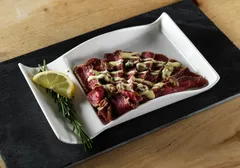
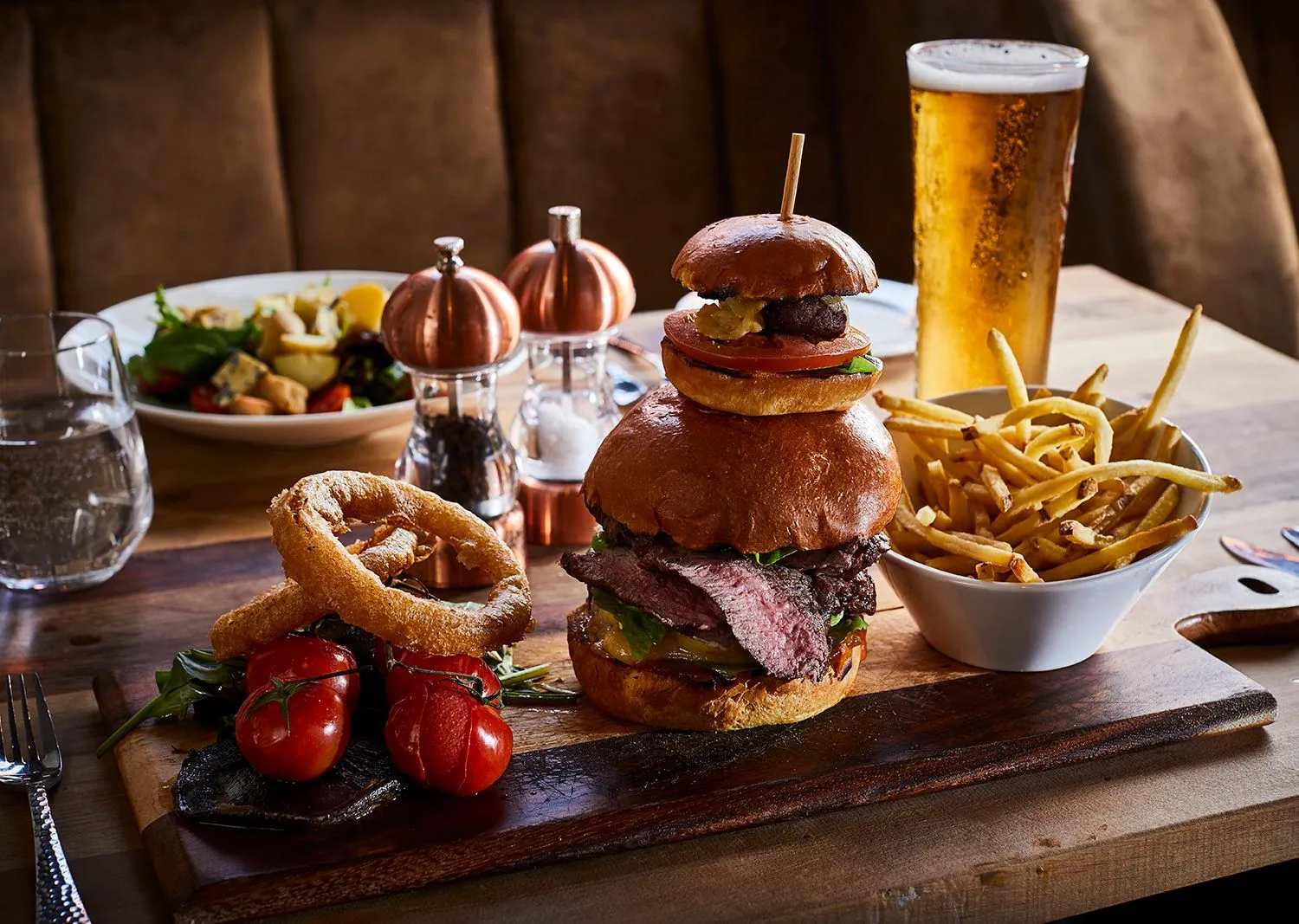
Send me the list before the day, with the dishes in order of importance. Kitchens always mean to get through everything, and then service creeps closer and the last few dishes get rushed. If the steak and the Sunday roast are the ones that sell, shoot them first.
It also helps to know where the photos are going. A website banner needs a wide shot with space for text. Instagram wants something tighter and square. A printed menu might need every dish shot from the same angle so they sit together on the page. I’ll plan the setups around that, but only if I know.
One dish at a time
The biggest mistake is sending everything out at once. Food starts dying on the plate within a few minutes. Salad wilts, sauces skin over, chips go limp and the melt on a burger slides off. I want each plate as it’s finished, then the next one when I’m ready for it.
If you can spare one chef just for the shoot, it makes a massive difference.
Cook for the camera, slightly
A few small changes help:
- Undercook green veg a touch. It stays brighter and holds its shape.
- Garnish at the last second, ideally at the table where I’m shooting.
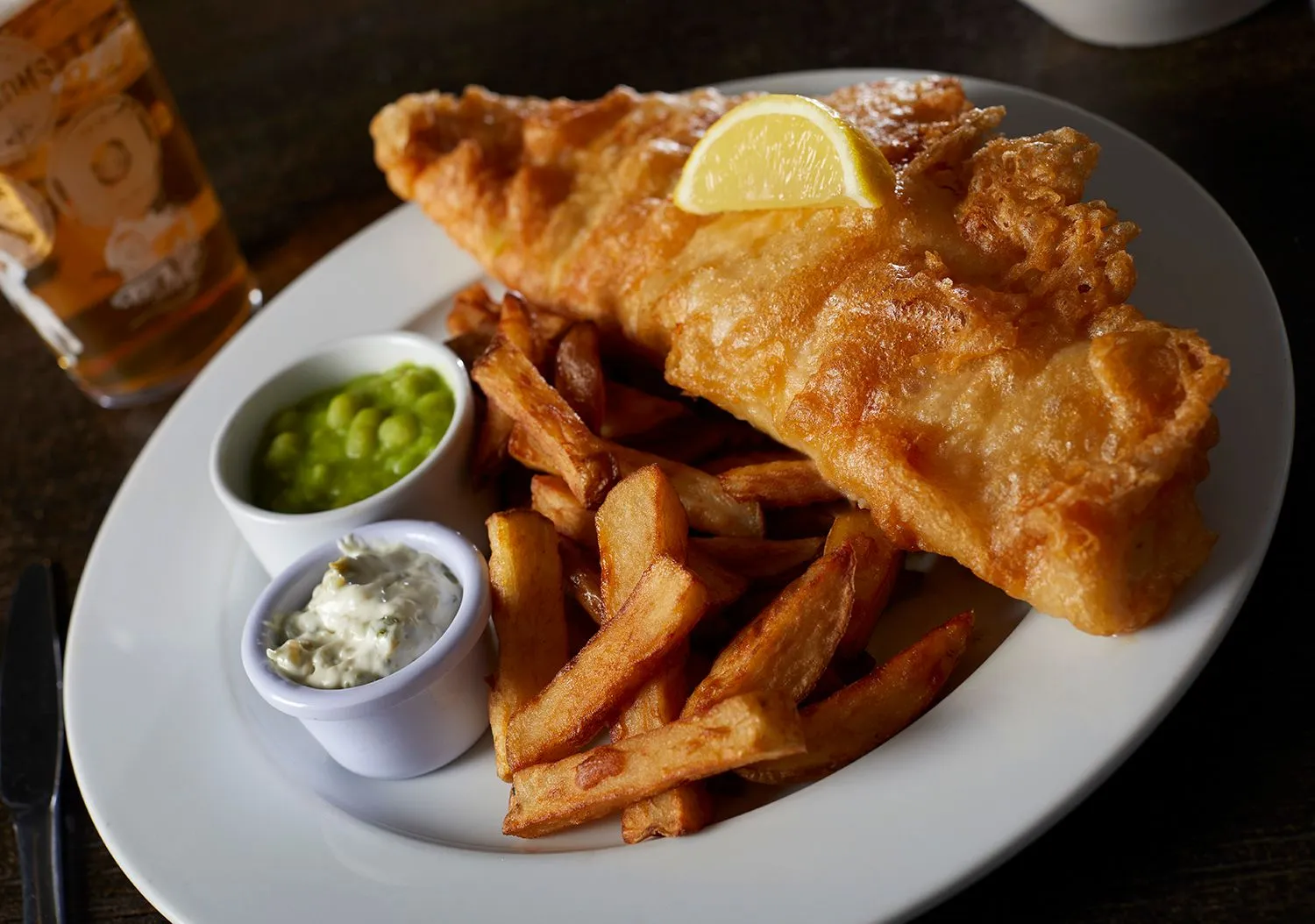
- Use fresh oil for anything fried. Batter from old oil goes dark fast.
- Keep sauces in a jug so they can be poured on just before the shot.
- Make a spare of anything fiddly, like a stacked burger.
None of this is fake. It’s the same food your customers get, just plated with a bit more care and photographed while it’s still at its best.
Plates and props
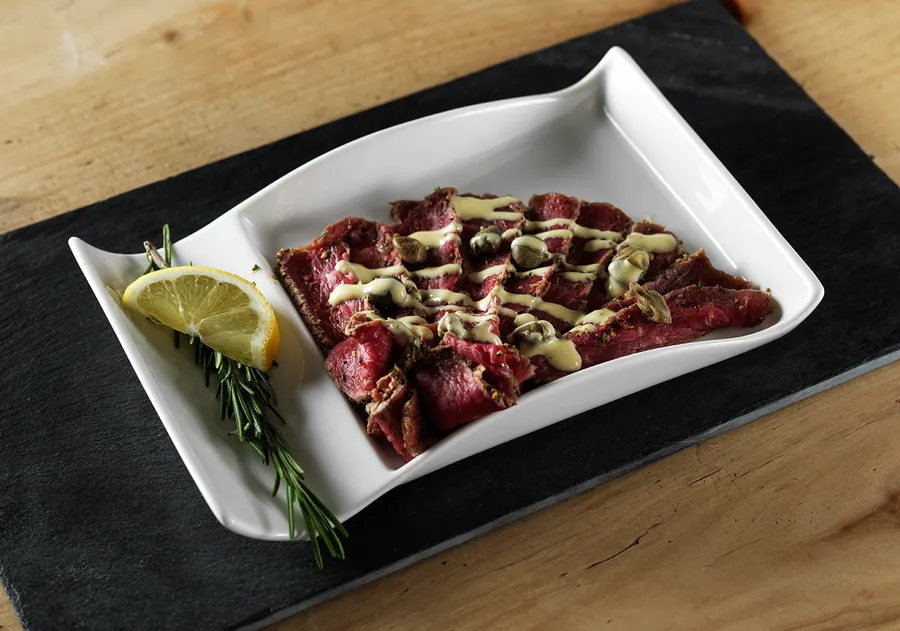
Plain plates work best, usually white, slate or something with a bit of texture. Busy patterns fight with the food. Bring out a few options and we’ll pick on the day.
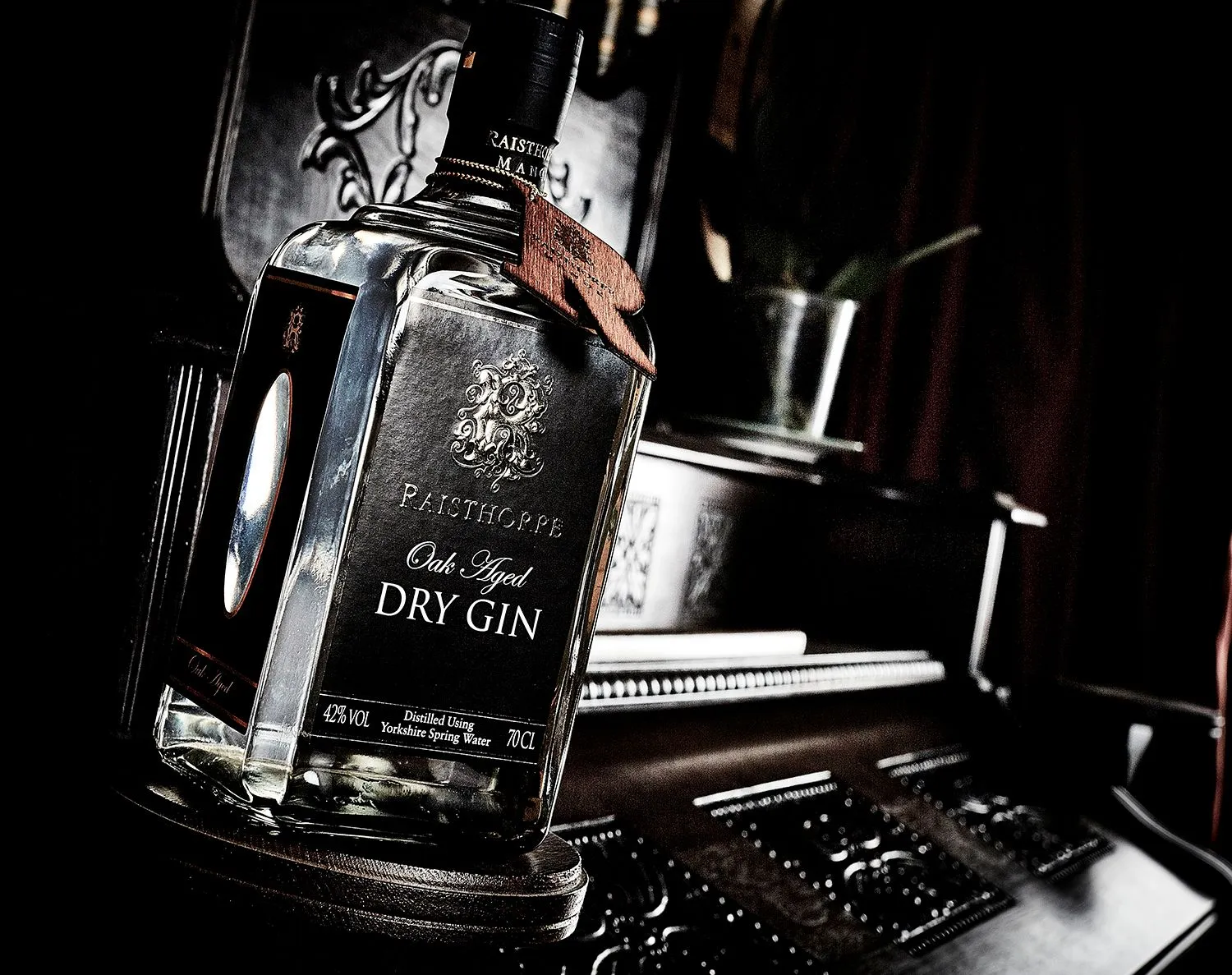
For drinks, have spare glasses polished and ready. Fingerprints and water spots show up straight away, especially on anything backlit.
Time it around service
Mid-morning to early afternoon on a quiet day is ideal. The kitchen’s set up but not under pressure, and if there’s a window near the tables, the light is usually good. Shooting during service is possible for atmosphere shots of a busy room, but it’s not the time to do the menu.
Think beyond the plate
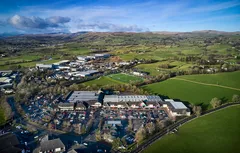
While I’m there it’s worth grabbing a few shots that aren’t just dishes: the chef plating up, the bar, the room set for dinner, the outside of the building. These are the photos that end up getting used everywhere, from Google listings to job adverts, and they don’t take long.
If you’ve got a new menu coming and want to plan a shoot around it, send me the details.