


Most of the work on an office shoot happens before I get my camera out. A space that’s been properly prepped takes half the time to photograph and looks far better at the end, so here’s what I ask clients to sort beforehand.
Clear more than you think
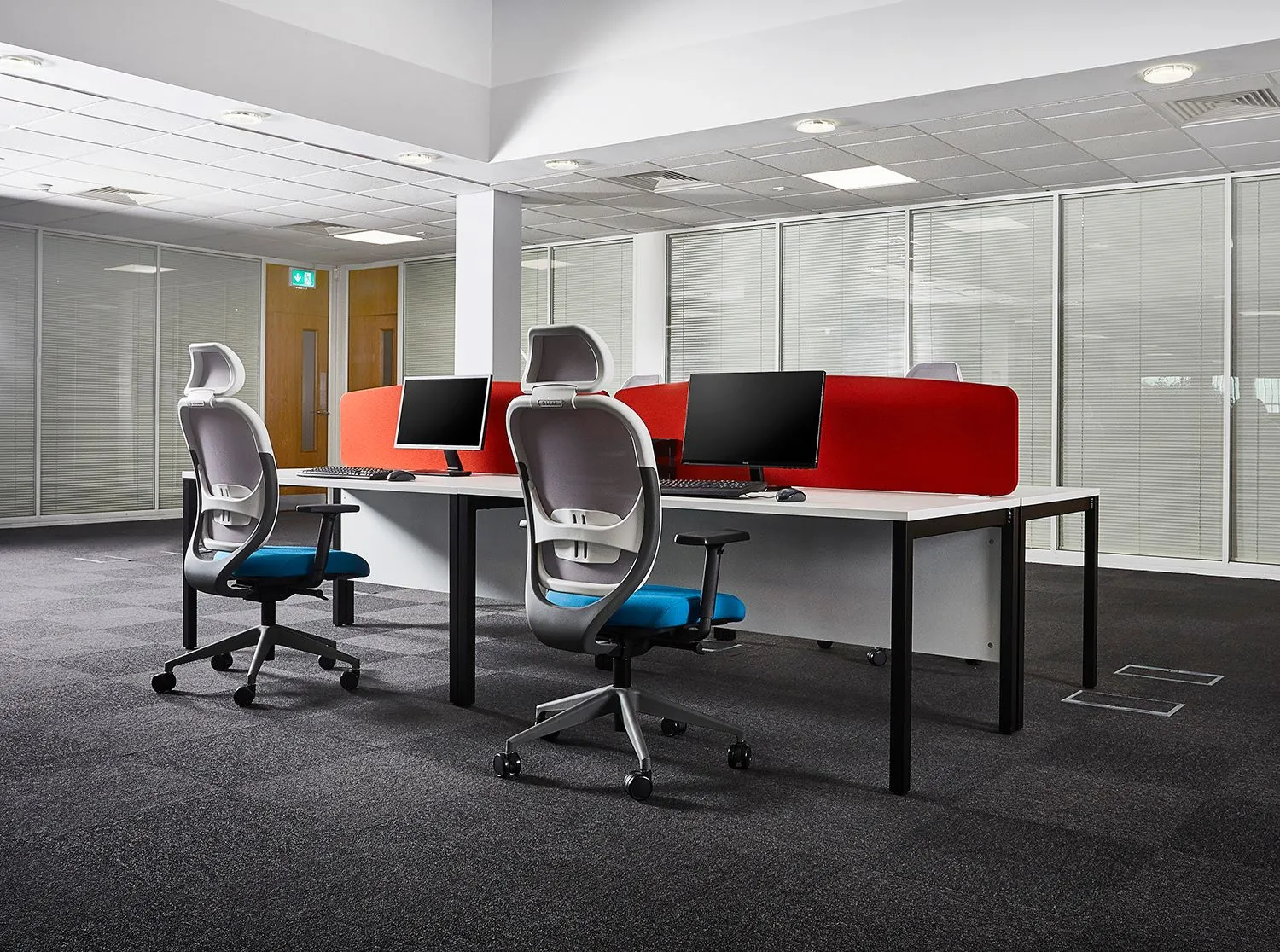
Desks are the big one. People get used to the clutter around them and stop seeing it, but the camera sees everything: phone chargers, mugs, Post-it notes on monitors, the pile of post nobody’s opened. I’d rather a desk looked slightly too empty than lived-in.
A good rule is to take everything off, then put back only what you’d want a client to notice. Usually that’s a monitor, a keyboard and maybe a plant.
The same goes for:
- noticeboards and whiteboards (wipe them, or take them down)
- bins, especially under desks
- coats on the backs of chairs
- anything stuck to glass partitions
- signage that’s out of date or peeling
Cables
Cables ruin more office photos than anything else. I can remove a few in the edit, but a room full of them adds hours of retouching and never looks quite as clean as the real thing. Tie them back, tuck them behind desk legs, or unplug what isn’t needed for the day.
Lights and blinds
Leave every light on, and check the bulbs before I arrive. One dead panel in a ceiling grid stands out straight away, and so do bulbs of different colours in the same room. If half your downlights are warm and half are cool, the photos will show it.
Blinds should all sit at the same height. It sounds fussy, but a row of windows with blinds at five different levels looks messy in a wide shot. Open is usually best if the view is decent.
Chairs
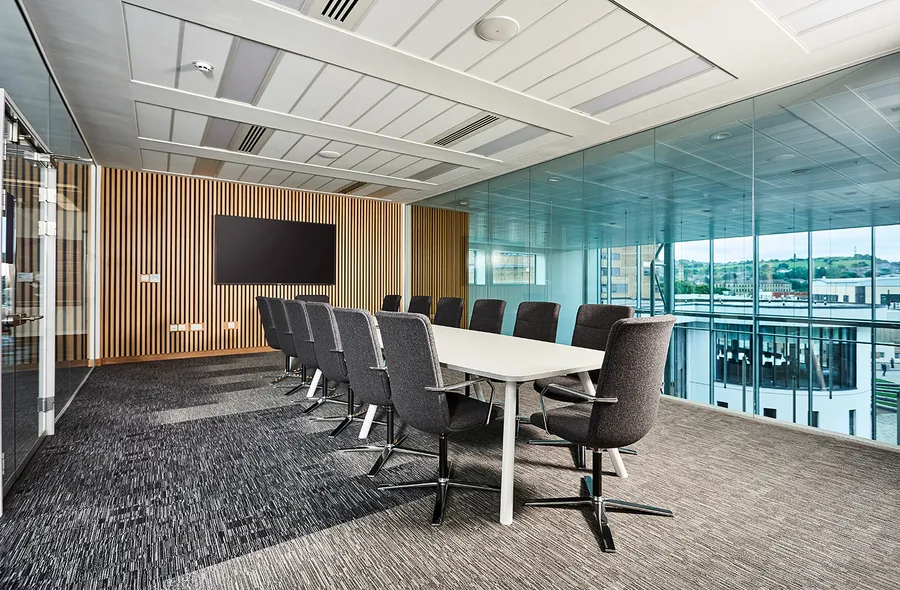
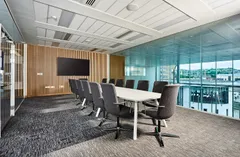
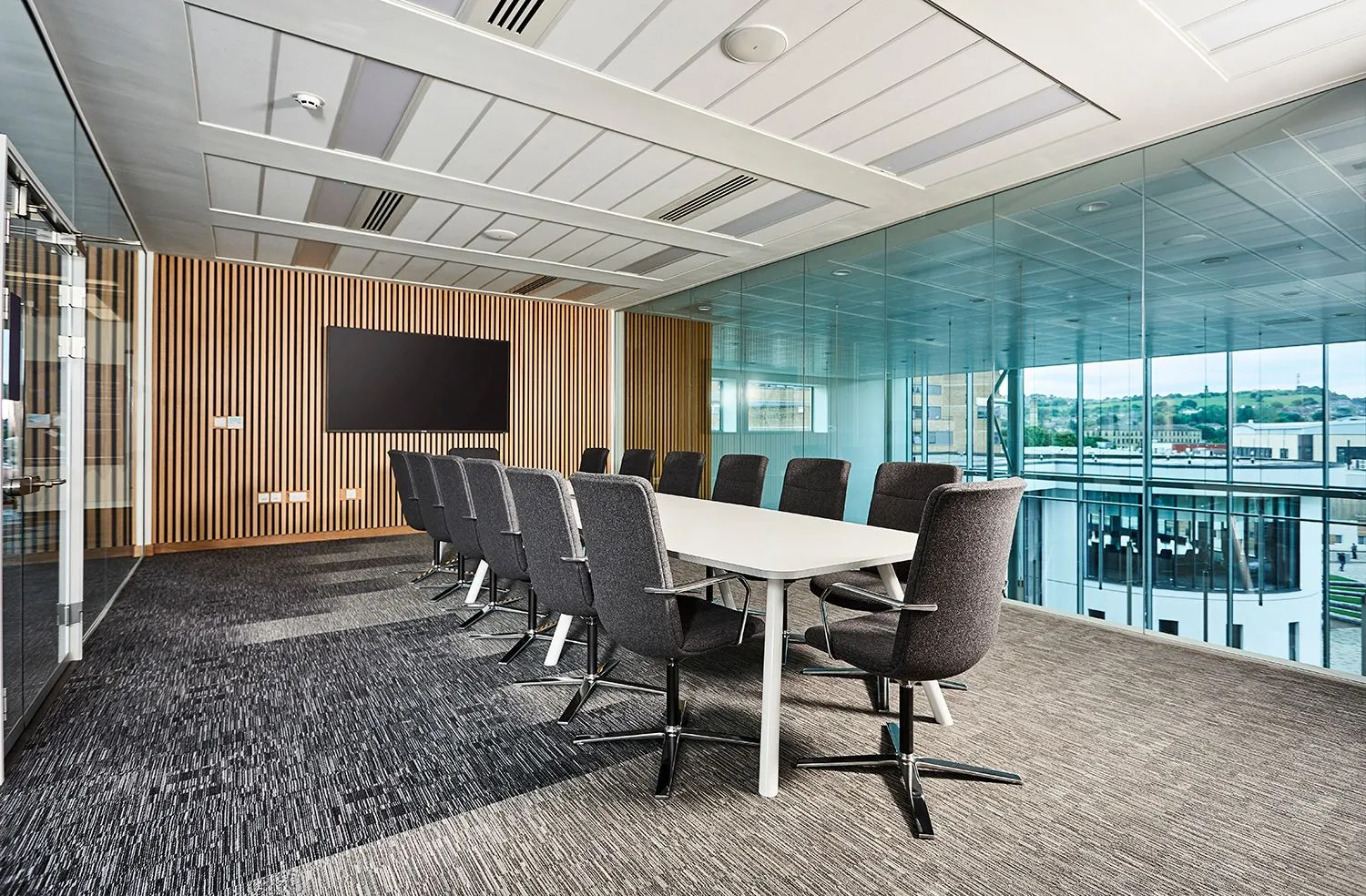
Push chairs in and line them up, all at the same height and angle. In a boardroom or a run of desks this makes a huge difference. I’ll tweak them on the day, but starting from a tidy room saves a lot of time.
People or no people?
Decide this before the shoot rather than on the day. Empty rooms show off the space and the furniture. A few people working make the place feel alive, which is better for recruitment pages and social media.
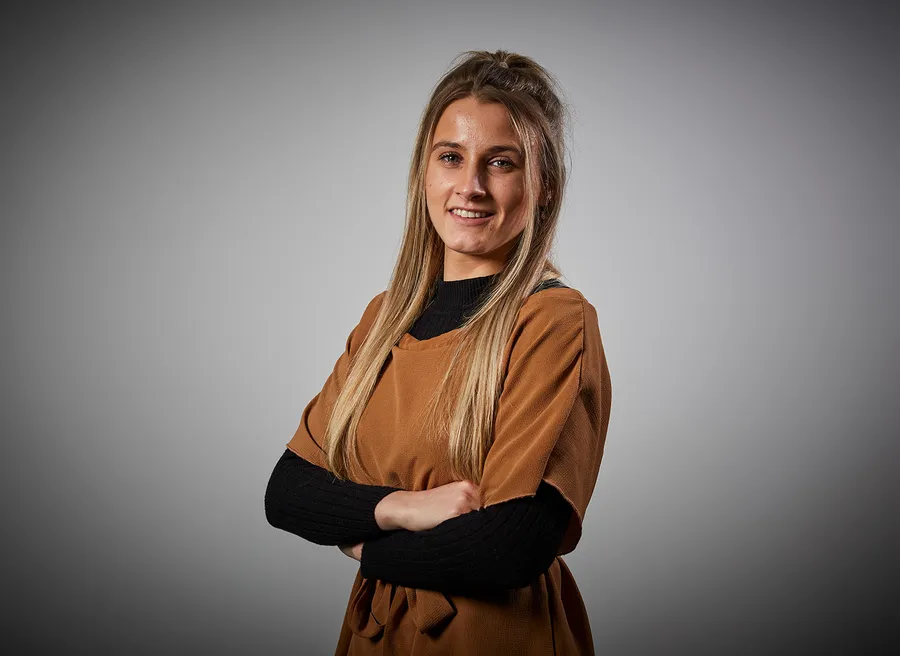
If you want staff in the shots, ask them in advance and let them know what to wear. Plain clothes in muted colours work best. I’d also suggest doing the empty shots first thing, then bringing people in once the main angles are done.
Timing
Early mornings are usually best. The office is quiet, nobody’s mid-meeting and there’s no lunch on the kitchen worktop. For rooms with big windows, I’ll ask what time of day the light comes in. A south-facing meeting room can look completely different at 9am and 3pm.
Leave the plants
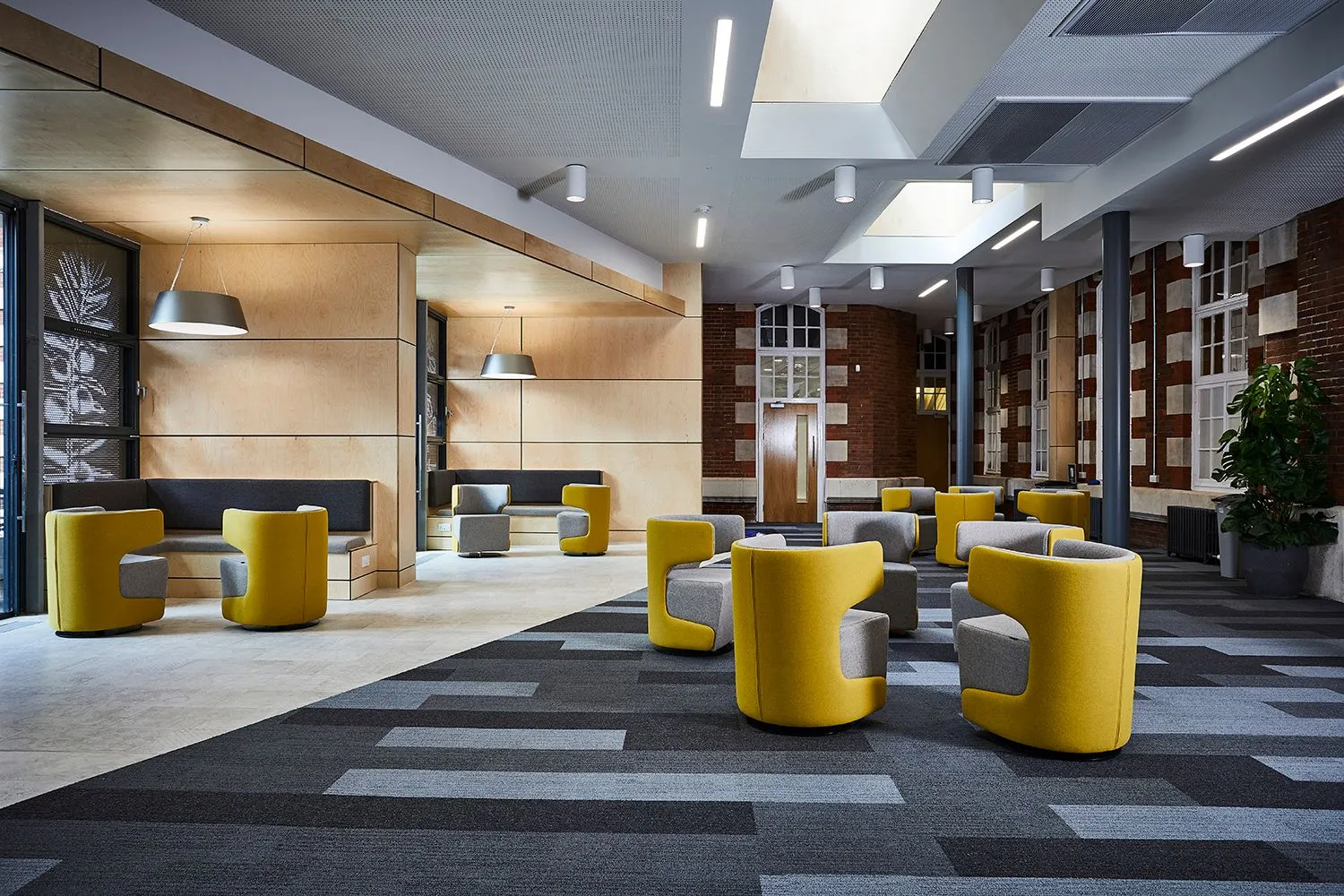
Plants help almost every shot, so don’t move them out. If they’re looking a bit tired, a quick tidy and a wipe of the leaves goes a long way. I’ll sometimes move one into a frame to fill a gap, so don’t be surprised if your fern ends up on the boardroom table for ten minutes.
On the day
All I really need is someone who can unlock rooms, knows where the light switches are and can make decisions about what to move. It doesn’t need to be the boss, just someone who won’t mind me asking twenty small questions.
If you’re planning a shoot and want to talk through what needs doing, get in touch and I’ll send over a checklist for your space.