

Drones are cheap enough now that almost anyone can buy one, and plenty of people offer aerial photos on the side. That’s fine for a holiday video. For a commercial shoot over your building, site or event, it’s worth asking a few questions first, because if something goes wrong it’s partly your problem too.
Are they set up to fly commercially?
Anyone flying a drone for work in the UK should be registered with the Civil Aviation Authority and qualified for the kind of flying they’re doing. The rules have been tightened up over the years and depend on things like the size of the drone and how close it flies to people and buildings, so it’s not something to take on trust.
Ask what they hold and how it covers the job you have in mind. A professional will be happy to tell you, and to send it over in writing.
Insurance
Ask for proof of public liability insurance that specifically covers drone work. General business insurance often doesn’t. If a drone damages a car or a roof, you want to know whose policy pays out.
Where can they fly?
A few things affect what’s possible on a site:
- Airports and airfields have restriction zones around them. Flying inside one needs permission, which takes time to arrange, so mention your location early.
- There’s a height limit. Most commercial flying stays under 120 metres, about 400 feet, which is plenty for nearly every job.
- People nearby. Busy streets, schools and events need more planning, and sometimes a different approach.
- Take-off and landing needs the landowner’s permission. If that’s you, great. If the best spot is next door’s car park, someone needs to ask.
Part of my planning for any aerial job is checking the airspace and the site before the day, so there are no surprises.
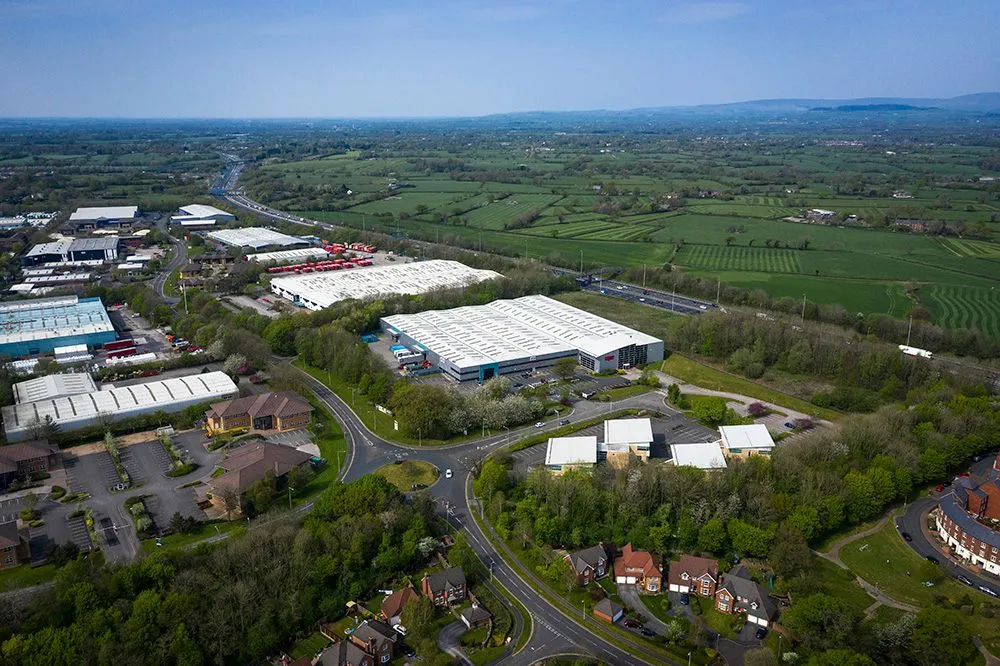
The weather has the final say
Wind and rain are the main reasons drone shoots move. Strong gusts make a drone unsafe and the footage wobbly, and rain is bad news for the electronics. Flat grey skies are safe to fly in but make dull pictures.
So build a bit of flexibility into the date if you can. I’d always rather move a shoot than deliver second-best footage, and most clients feel the same once they’ve seen the difference a bit of sun makes.
Photos, video, or both?
It’s worth deciding this before the day. One flight can usually capture high-resolution stills and video, but they’re planned differently. A slow reveal of a building for a website header is not the same flight path as a set of overhead shots for a planning document.
Tell me where the images will be used: brochure, hoarding, website, social, pitch deck. Then the flight can be planned around what you actually need.
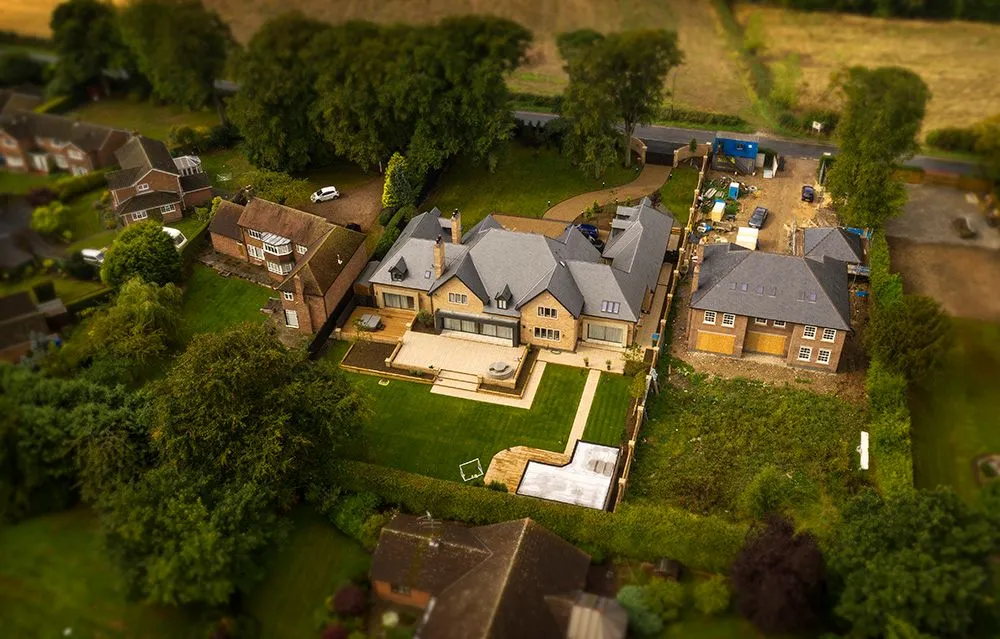
What it’s good for
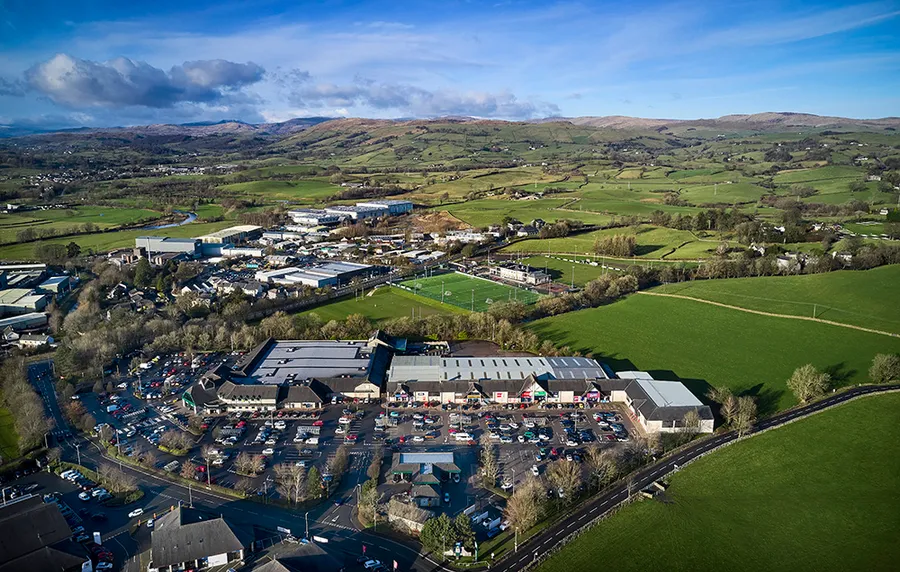
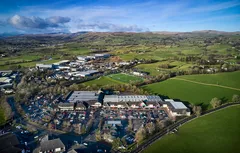
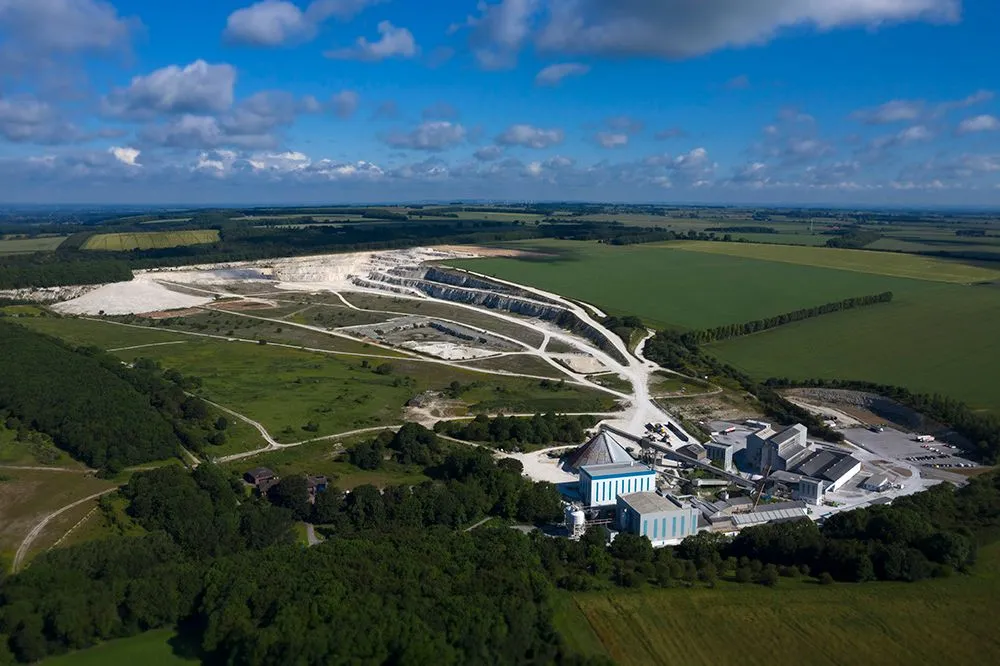
The jobs I see most often are construction progress, commercial property, holiday parks, industrial sites and events. Anywhere the size or setting is part of the story, really. A ground-level photo can’t show that a site sits next to a motorway junction, or how much land comes with a building. A shot from 100 metres up does it in one frame.
If you’ve got a site you’d like to see from the air, tell me about it and I’ll let you know what’s possible.